

BNCT
Introduction
BNCT (Boron Neutron Capture Therapy) utilizes the neutron capture reaction between neutrons and boron atoms, and is a treatment method that selectively destroys cancer cells while causing minimal damage to normal cells. It is not only effective for primary or single-site cancers, but also for cancers that have spread to individual organs, metastatic cancers, and refractory cancers. At the same time, BNCT can treat recurrent cancers, even after conventional radiotherapy, and can be combined with other treatment methods for potentially further-improved treatment efficacy. BNCT is a low-invasive, non-invasive therapy that does not require surgical incisions or resection, and thus is expected to significantly improve the patients' quality of life.
Principle
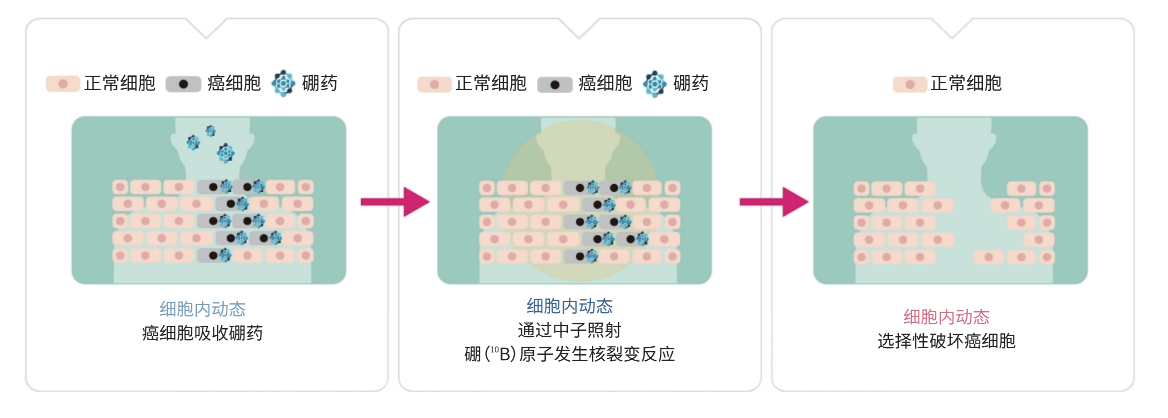
1. After injecting boron-10 drugs through intravenous injection into the patient, boron-10 (10B) will selectively accumulate in cancer cells.
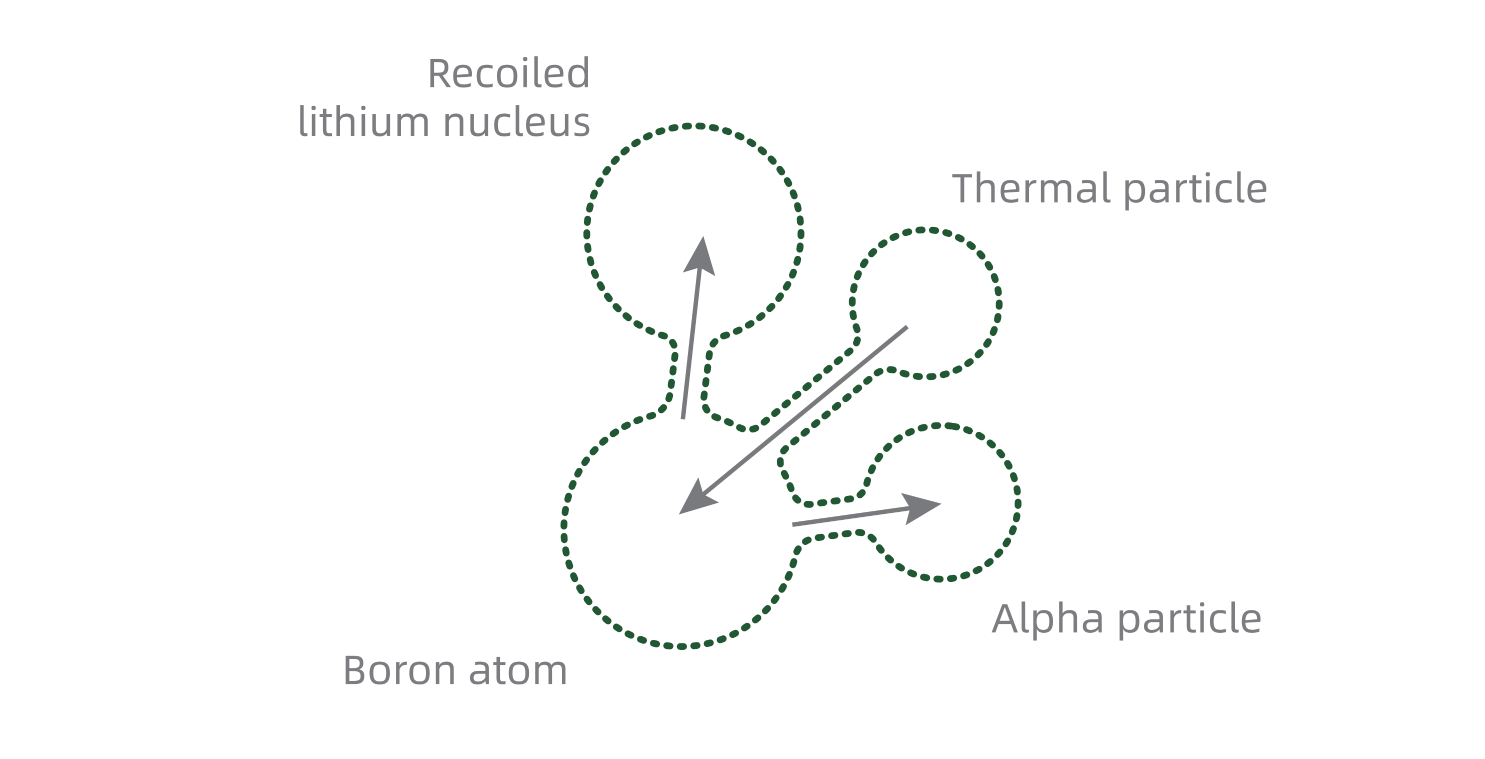
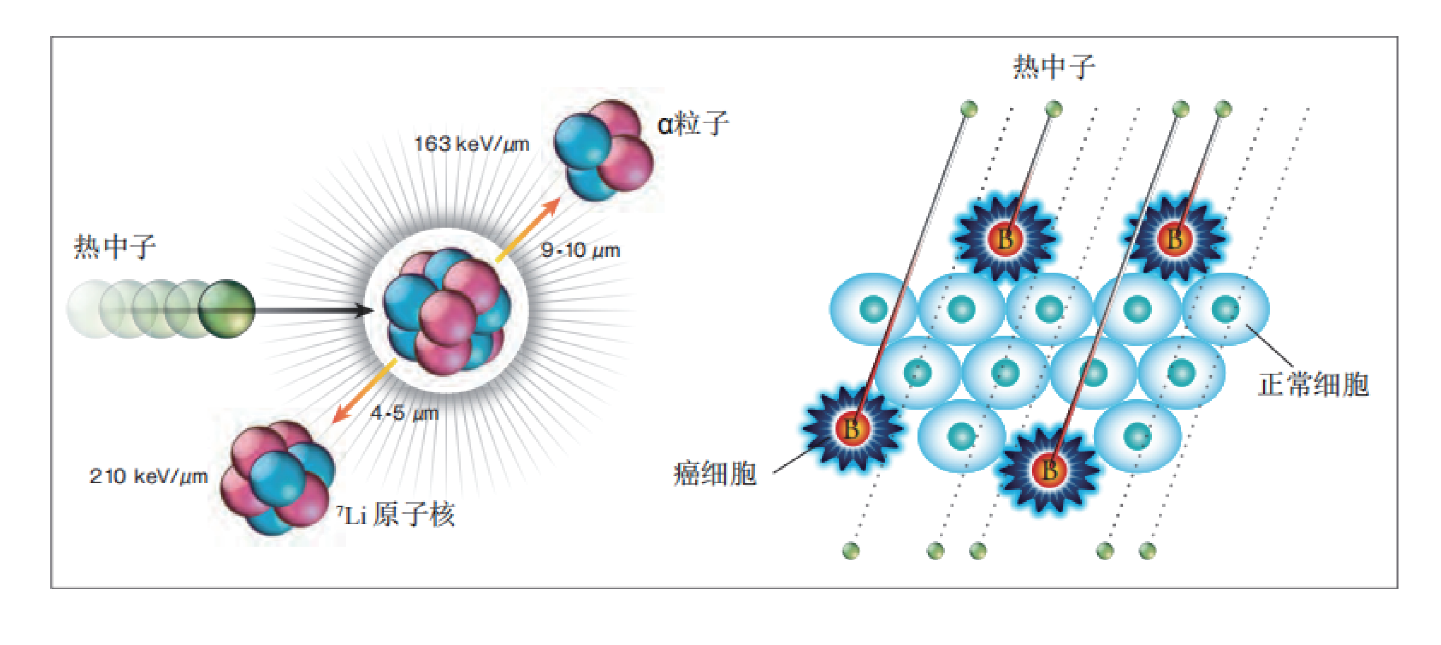
2. Neutron beams are irradiated from outside the body to the affected area. The energy of the neutron beams is very low and has almost no effect on the human body. However, when neutrons collide with boron-10, a neutron capture reaction occurs, generating two types of radiation (α particles and Lithium-7 ions).
3. The effective range of these two types of radiation in the body is extremely short, almost only one cell diameter. Therefore, they can precisely destroy cancer cells that have absorbed boron-10 (10B) from within the cells, while almost not damaging the surrounding normal tissues, achieving targeted killing of cancer cells.
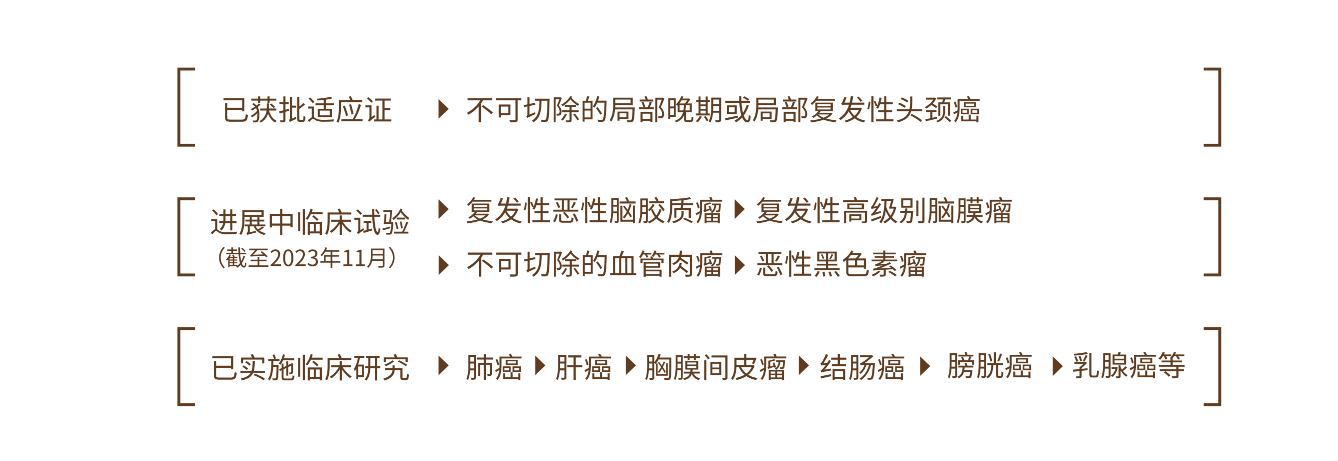
Indication
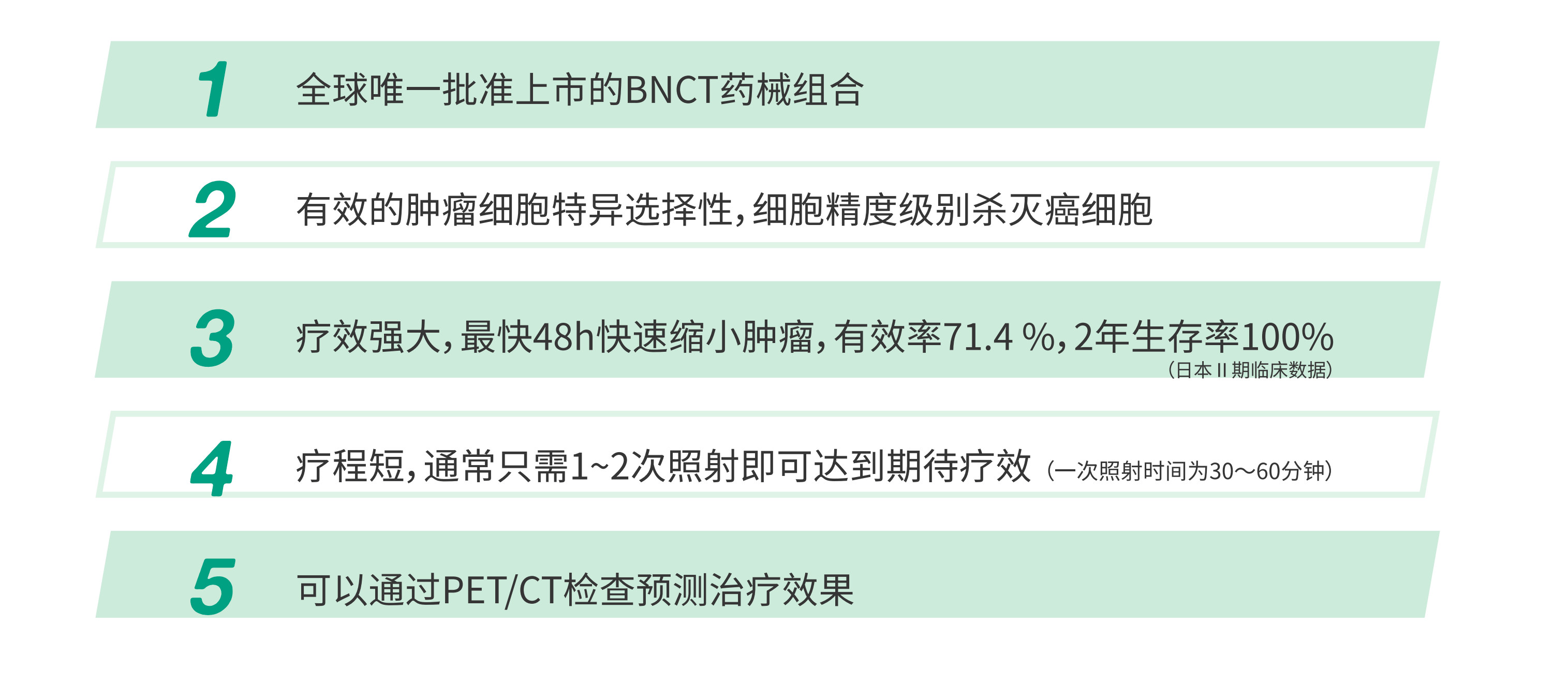
Advantage
Traditional radiotherapy harms the patient more than it harms cancer cells .Proton therapy and IMRT have raised the precision of radiotherapy to "anatomical accuracy", but BNCT has revolutionarily pushed the precision of radiotherapy to "cellular accuracy". Not only is it safer and has fewer side effects, but its therapeutic effect is also more powerful.
BNCT has a high degree of selectivity for tumor cells, capable of killing tumor cells from within the cells. Whether it is conventional X-ray or other particle beam therapy, both only have anatomical-level precision and do not have cell-level precision. Thanks to the cell-level selectivity of BNCT, even patients who have experienced recurrence after radiotherapy but have difficulty undergoing further radiotherapy can undergo precise radiotherapy again through BNCT. This is a feature that no other cancer treatment method has so far and is also the most important function of BNCT; secondly, BNCT is effective for invasive cancers. In other words, BNCT is currently the only treatment method for invasive cancers where cancer cells and normal cells are mixed.
Meanwhile, BNCT can also treat cancer that recurs after chemotherapy. The reason is that normal cells are not damaged, so they can regenerate.
IMRT treatment and proton therapy can uniformly irradiate cancer cells within the anatomical accuracy for solid tumors. They have completely different mechanisms of action, so they can complement each other in clinical applications. BNCT can identify highly malignant cancer cells at the cellular level and selectively destroy them. IMRT treatment and proton therapy are effective for cancers with slow growth and low malignancy, such as well-defined solid tumors like prostate cancer.
BNCT is not only effective for cancers with slow growth rates and low malignancy, but also for cancers that have lost their geometric accuracy. For instance, cancers that have spread to the flat pleura or peritoneum, or advanced cancers that have spread near the peristomal intestines, are effects that IMRT or protons cannot achieve.
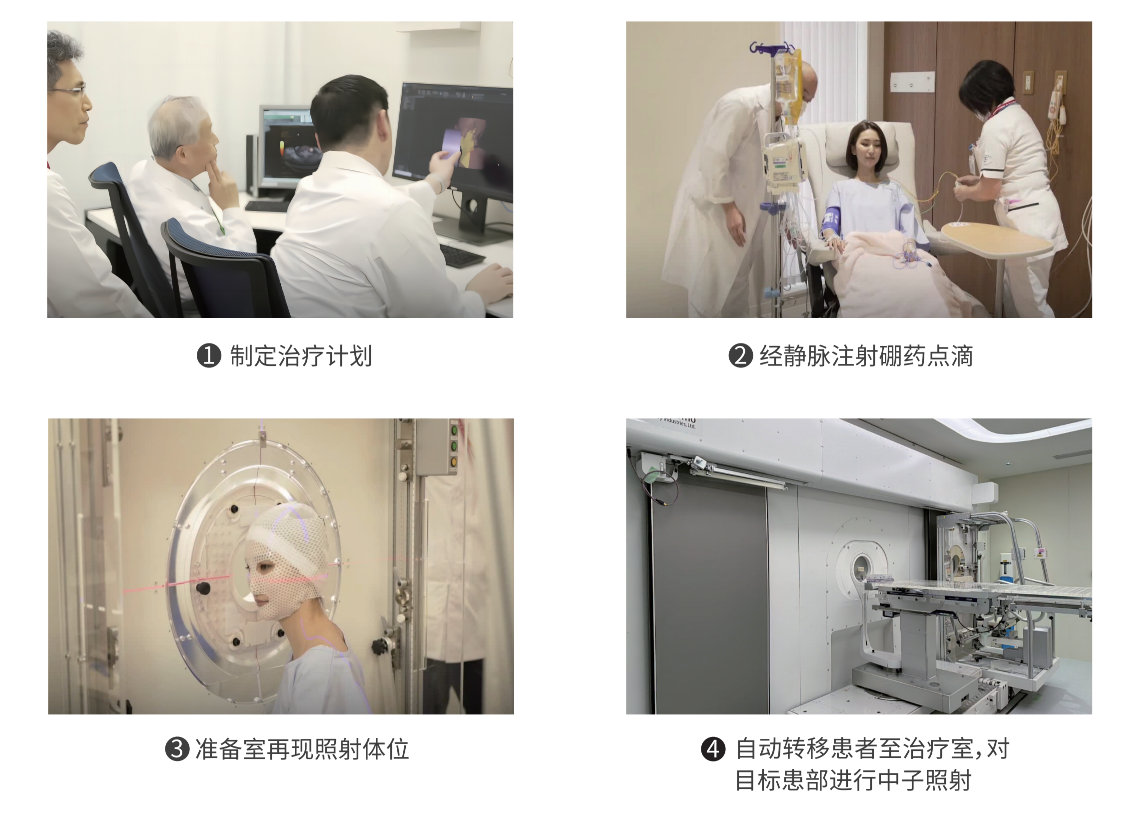
Process
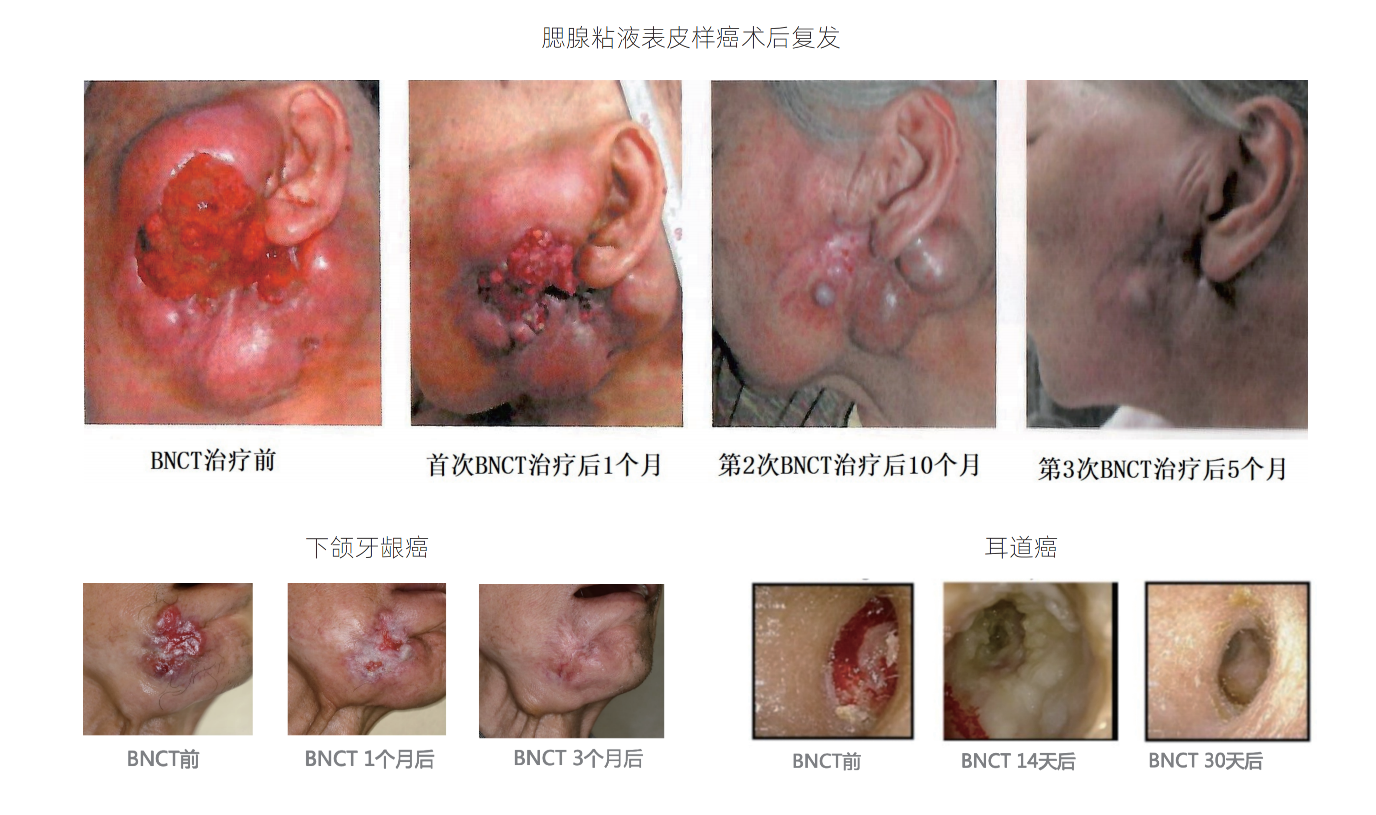
Clinical Results
Head and neck cancer
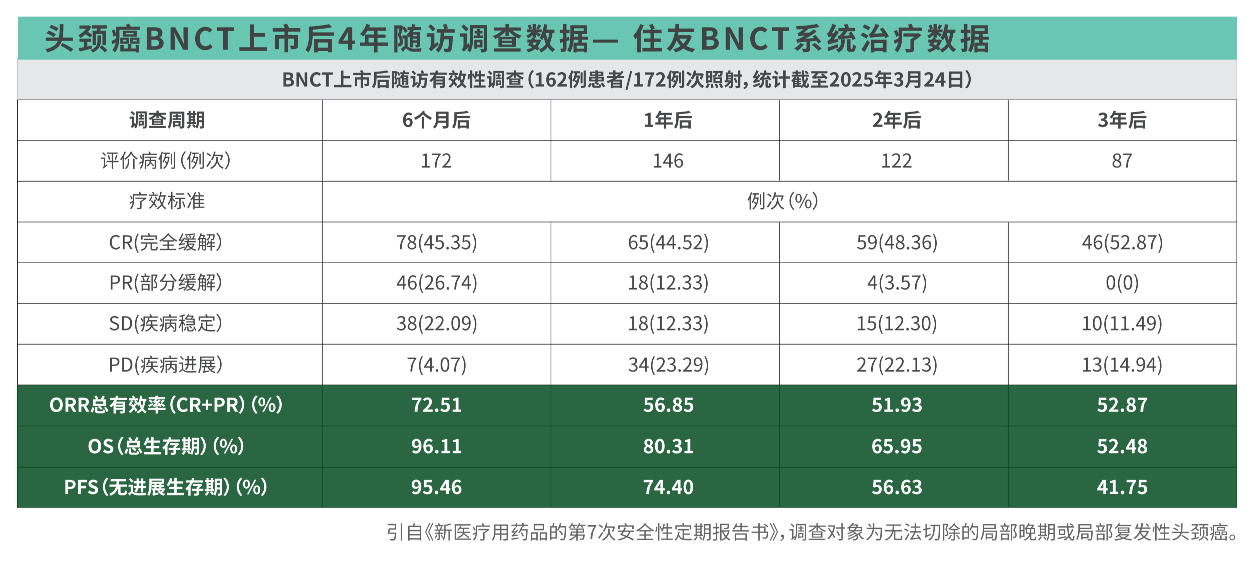
The standard treatment for head and neck cancer is surgery, combined with X-ray therapy and chemotherapy. However, the tolerance dose of normal tissues after X-ray treatment is limited, and repeated irradiation is not possible. Radiation oncologists hope that the BNCT technology can enable repeated radiotherapy for patients with recurrent tumors. In the world's first case of BNCT treatment for recurrent parotid gland cancer, the patient's tumor completely disappeared after two treatments, and there were no reactions such as dry and flaky skin. Compared with other treatment methods, which are difficult to apply a sufficient controlled dose to subcutaneous tumors while avoiding skin blistering and other damages, this fully demonstrates the high selectivity and significant superiority of BNCT for tumors.
Malignant brain tumor
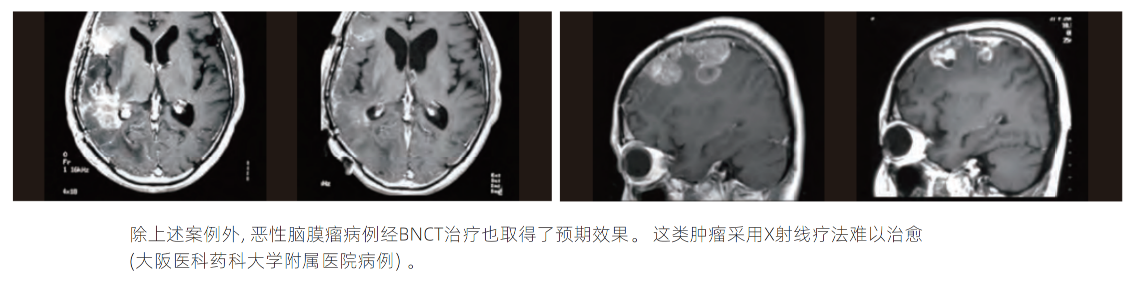
The academic community has high expectations for the BNCT research on malignant brain tumors (especially malignant gliomas). BNCT can deliver a large dose of radiation at one time. In some cases, the tumor response (as shown by MRI, such as the regression or disappearance of the lesion) is faster than X-ray therapy, and the effect can be observed within about two days (case from Osaka Medical College)
Malignant pleural mesothelioma
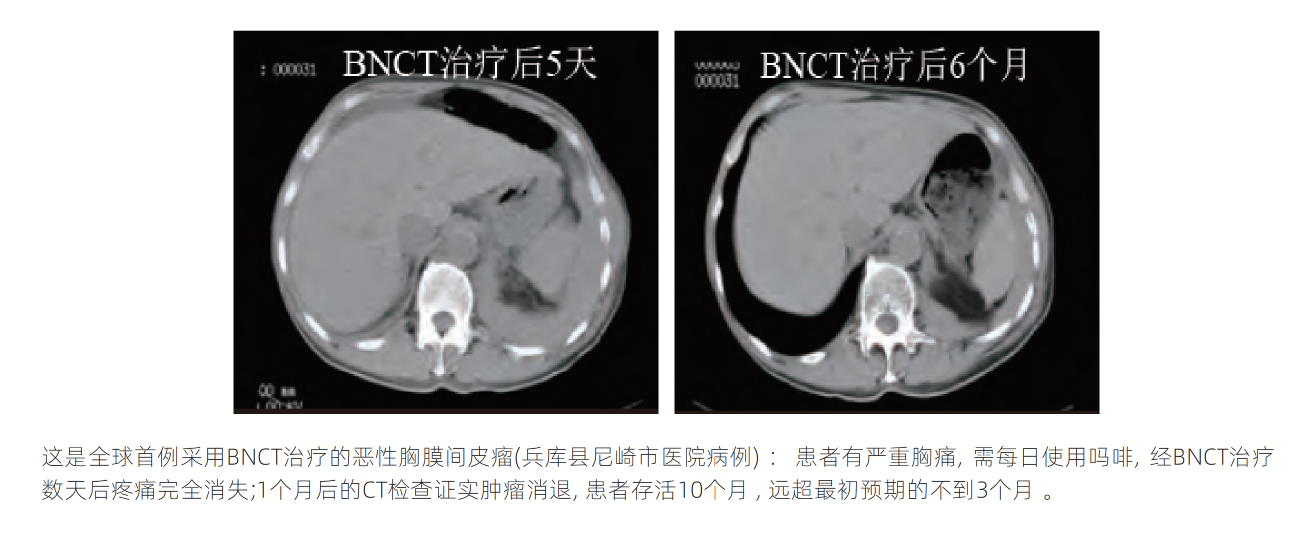
Cases of malignant pleural mesothelioma (MPM) spread along the pleura in a complex three-dimensional geometric pattern. Even with the current highly precise radiotherapy techniques, it is difficult to apply controlled radiation doses to the tumor while avoiding its coverage of the lungs. Therefore, experts hope to enhance the treatment effect of MPM through BNCT, which offers high selectivity for cancer cells.
Breast cancer
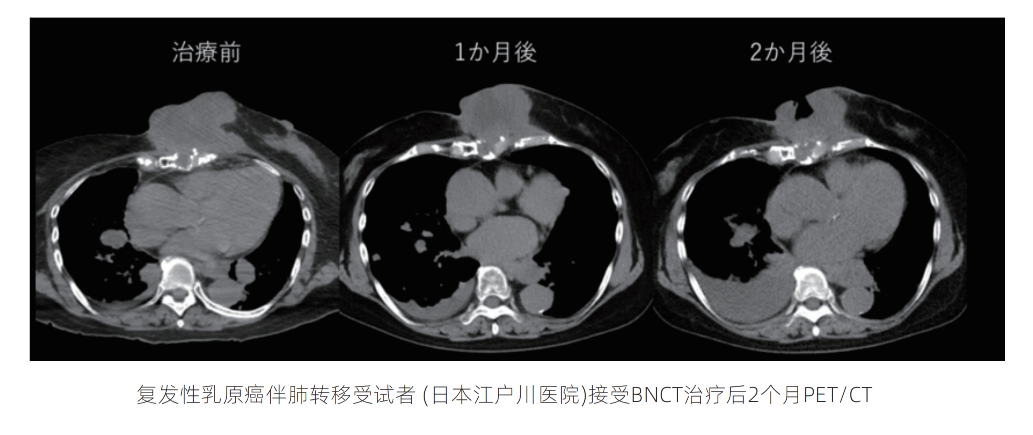
For patients with recurrent breast cancer accompanied by lung metastasis and large-volume tumors, after BNCT irradiation, 2 months later, the tumor formed an ulcer and significantly shrank in size. Although the pleural effusion increased, the overall condition remained stable. The exploratory clinical trial related to breast cancer showed that the tumor lesions of the subjects shrank and there were no adverse reactions of radiation pneumonitis. This verified the safety and effectiveness of accelerator BNCT treatment for breast cancer, bringing new hope to breast cancer patients and the medical community.
※This content is for health science popularization reference only and does not constitute any medical advice. It cannot replace the diagnosis and treatment by a practicing physician.